
Discover how to compare office, retail, flex, and industrial spaces for your business in Southeastern Pennsylvania with expert tips from Dan Marovich.
Choosing the right commercial space is a critical decision for any business owner, investor, or tenant. Whether you're expanding your company, launching a new venture, or seeking a profitable investment, understanding the distinctions between office, retail, flex, and industrial spaces can greatly impact your success.
In this article, we will explore how to effectively compare these key commercial real estate types, focusing on their unique characteristics, ideal uses, and considerations specific to markets such as Downingtown, Chester County, Montgomery County, and surrounding areas in Southeastern Pennsylvania.
Understanding Commercial Property Types
Office Space
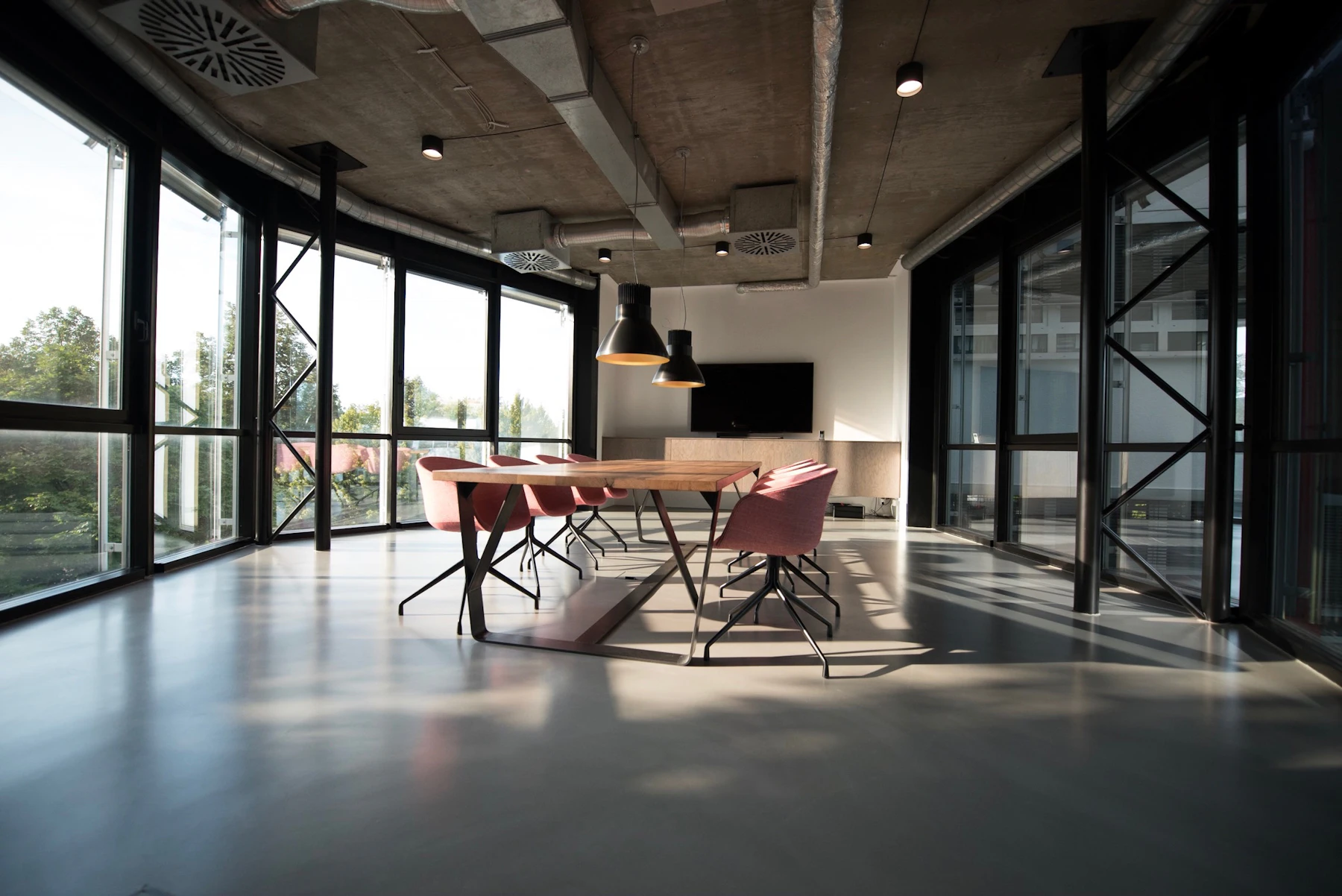
Office spaces are primarily designed for administrative and professional activities. These properties range from single-tenant suites to multi-story buildings and may include amenities such as conference rooms, reception areas, and dedicated parking.
Retail Space
Retail spaces are locations designed to sell goods or services directly to consumers. They vary from small storefronts to larger shopping centers. High foot traffic and visibility are crucial factors in retail property desirability.
Flex Space
Flex spaces combine elements of office, retail, and light industrial uses. They are highly versatile and suitable for businesses requiring a mix of showroom, office, and warehouse capabilities. Flex buildings are typically located in suburban areas with good access to transportation.
Industrial Space
Industrial properties are designed to accommodate manufacturing, warehousing, distribution, and heavy-duty logistics. They often feature loading docks, high ceilings, large floor plates, and robust infrastructure.
Key Considerations When Comparing Spaces
- Location: Proximity to suppliers, customers, and transportation hubs can influence the type of commercial space that fits your needs.
- Space Requirements: Consider square footage, layout flexibility, ceiling height, and parking availability.
- Cost Structure: Evaluate rental rates, common area maintenance (CAM) fees, property taxes, and potential renovation costs.
- Zoning and Compliance: Ensure the property’s zoning aligns with your business activities and anticipate any regulatory requirements.
- Future Growth and Scalability: Choose spaces that can accommodate or adapt to your business expansion or changes.
How to Approach Office vs. Retail vs. Flex vs. Industrial
1. Office Space: Prioritize Functionality and Image
Businesses in professional services, tech, and administration will find office spaces suited for collaboration and client interactions. In markets like Montgomery County and Chester County, modern office parks with easy highway access support businesses requiring a polished work environment. Evaluate amenities and technological infrastructure to ensure they meet your operational needs.
2. Retail Space: Maximize Visibility and Accessibility
Retail businesses demand prime locations with heavy consumer foot traffic. In Bucks County or Delaware County, proximity to shopping districts or main roads is key. Assess local demographics and competition, and prioritize spaces that allow for branding and customer engagement.
3. Flex Space: Value Versatility and Logistics
Flex spaces cater to companies needing an adaptable environment like light assembly, showroom areas, or small-scale distribution. In Berks or Lancaster County, flex properties near industrial parks or transit corridors can offer strategic advantages. Consider ceiling heights and loading docks as well as office-to-warehouse ratios.
4. Industrial Space: Focus on Efficiency and Capacity
For companies involved in manufacturing, wholesale distribution, or logistics, industrial spaces are vital. In Southeastern Pennsylvania, including Downingtown and surrounding areas, these spaces generally feature robust utilities and ample docking. Confirm building specifications, including power supply, floor load capacity, and security.
Key Takeaways
- Identify your business requirements clearly before comparing commercial spaces.
- Location and zoning regulations are fundamental to your choice.
- Cost considerations extend beyond rent to include maintenance and compliance.
- Flex space offers unique adaptability but may require trade-offs on specialized features.
- Engage with local market experts to leverage area-specific opportunities.
Local Market Perspective
Southeastern Pennsylvania stands out with its diverse commercial districts supporting various industries. Chester County and Montgomery County host a mix of vibrant office parks and industrial hubs, while Bucks and Delaware Counties provide attractive retail corridors and flex options for small to medium enterprises.
Downingtown and surrounding communities offer competitive industrial spaces benefiting from strategic access to major highways such as I-76 and US-30. This blend of accessibility and community amenities makes the region well-suited for companies seeking growth-oriented locations.
Questions to Ask Before You Move Forward
- Does the space meet my current and near-future business needs?
- Are zoning laws and infrastructure compatible with my operations?
- What are the total occupancy costs beyond base rent?
- How does the location affect employee commute and customer accessibility?
- Is there room for expansion or modification if required?
- What environmental or regulatory considerations should I be aware of?
- What is the landlord’s reputation and flexibility on lease terms?
Practical Advice for Buyers, Sellers, Renters, and Investors
Buyers and Investors: Always perform thorough due diligence including property inspections and market analysis. Align your acquisition strategy with long-term investment goals and regional demand trends.
Sellers and Landlords: Maintain properties with market-appropriate upgrades and flexible lease options to attract and retain high-quality tenants. Engage with brokers familiar with Southeastern Pennsylvania’s commercial markets to maximize exposure.
Renters and Business Owners: Prioritize spaces that facilitate operational efficiency and brand presence. Consider working with trusted agents who understand the nuances of each property type and local regulations.
For tailored guidance and comprehensive listings in Southeastern Pennsylvania, visit DMSellsRE.com or contact Dan Marovich to discuss your commercial real estate goals.
When ready to explore opportunities or need expert advice, call Dan Marovich at 610-613-9148 or email danmarovich@remax.net for a personalized consultation.
Local Real Estate Guidance Matters
Real estate decisions are rarely one-size-fits-all. Property condition, location, timing, financing, lease terms, management needs, and long-term goals can all influence the right strategy. A local conversation can help clarify the next best step.
Frequently Asked Questions
What is flex space and when is it the best choice?
Flex space is a versatile property type combining office, retail, and light industrial uses, ideal for businesses needing a customizable layout, such as showrooms, small warehouses, or light manufacturing.
How do location and zoning affect commercial property choices?
Location influences accessibility, customer reach, and operational efficiency, while zoning determines the permitted uses of a property, ensuring compliance with local laws and suitability for your business.
What are typical costs to consider beyond base rent in commercial leases?
Additional costs often include common area maintenance (CAM) fees, utilities, property taxes, insurance, and expenses related to compliance or improvements.
How can I assess if an industrial space meets my operational needs?
Evaluate ceiling heights, loading dock availability, power supply, floor load capacity, proximity to transportation routes, and security features to ensure they align with your business requirements.
Ready to Talk Real Estate?
Whether you are buying, selling, renting, leasing, investing, or exploring property management, Dan Marovich can help you understand your options in Southeastern Pennsylvania.
Contact Dan